Source tabletop electric drum pads for religious rites, music therapy, and practice
Find 30 listings for tabletop electric drum pads suitable for religious rites, music therapy, and practice. Buyers can compare specifications like MIDI connectivity, built-in speakers, and customization options from verified suppliers in China.
Key considerations
Products List





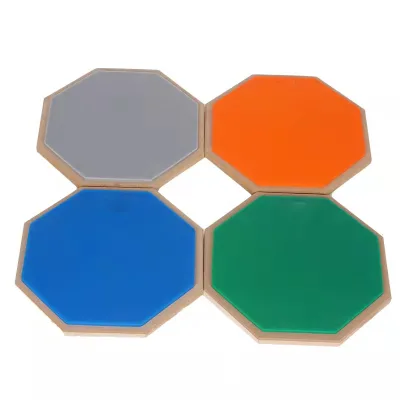
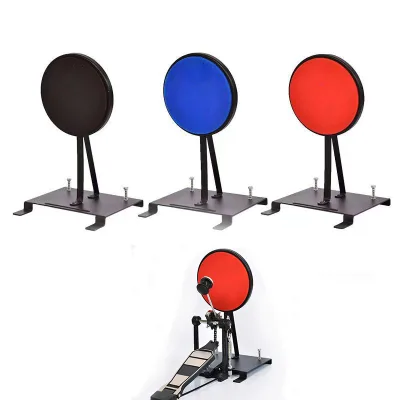
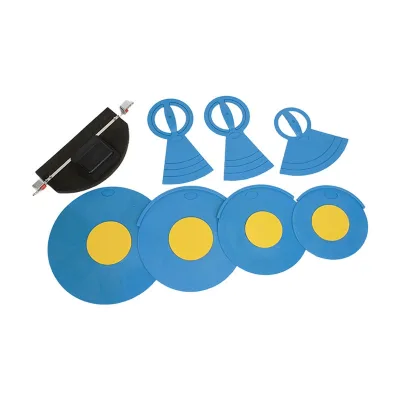
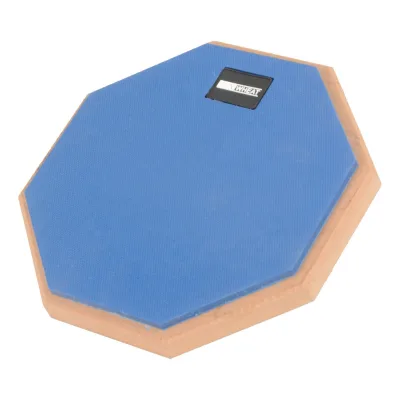
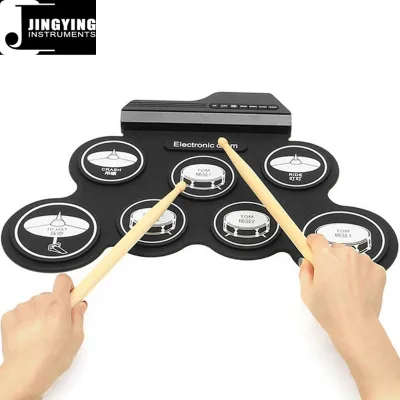
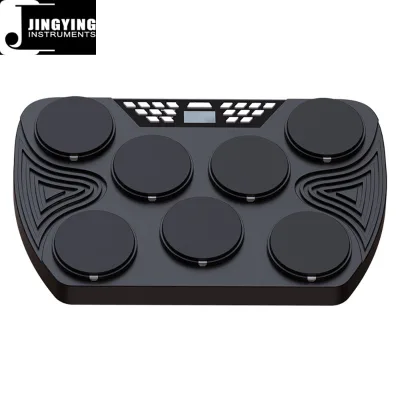
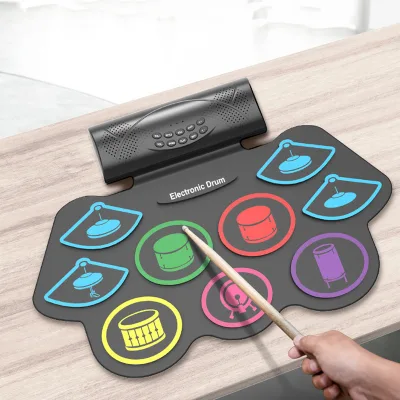
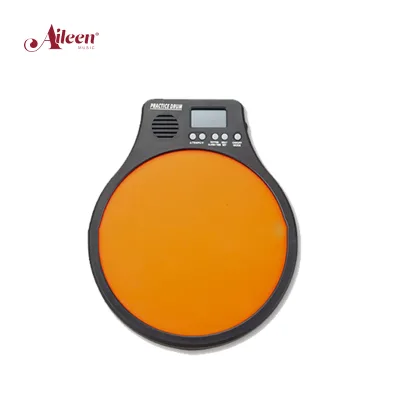
Comprehensive Sourcing Guide
Tabletop Electric Drum Pads Sourcing Guide
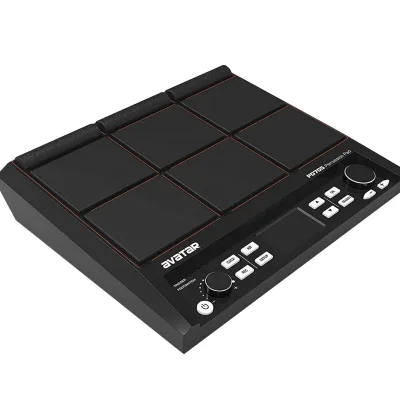
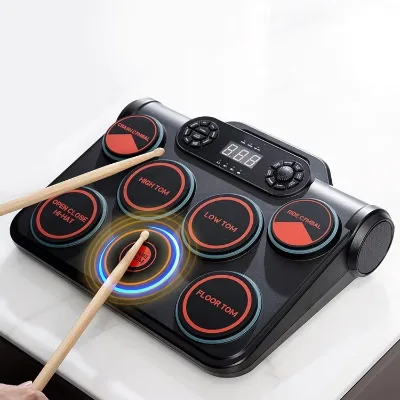
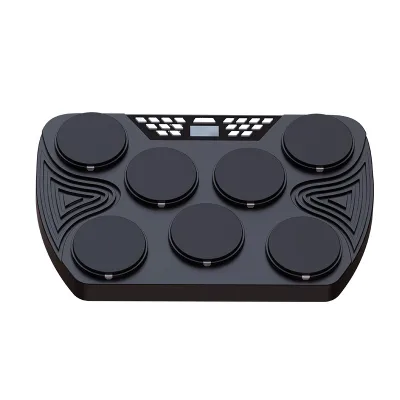
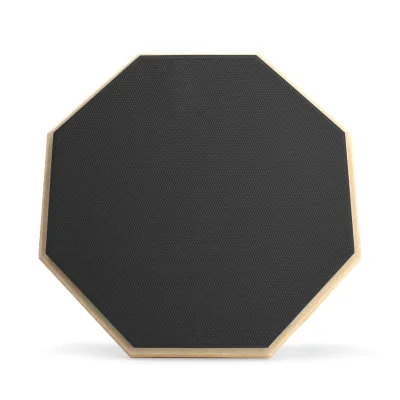
Sourcing tabletop electric drum pads requires a nuanced understanding of the intersection between traditional percussion aesthetics and modern digital connectivity. These devices are designed to fit on standard desks or small surfaces, making them ideal for urban living spaces, travel, and compact practice environments. Buyers must distinguish between purely acoustic simulation pads and fully integrated electronic kits that include MIDI functionality, built-in speakers, and recording capabilities. The market offers a wide spectrum of products, ranging from simple silicone practice pads to complex systems that connect to computers or smartphones for music production. Understanding these distinctions is critical for aligning procurement with specific end-user needs, whether for professional performance, music therapy, or casual entertainment.
The procurement landscape for these items is characterized by significant variability in customization options and supply chain flexibility. Manufacturers often provide OEM and ODM services, allowing buyers to tailor logos, graphics, and packaging to their brand identity. This is particularly relevant for businesses targeting the children’s market or professional musicians who require specific branding. However, this flexibility comes with varying minimum order quantities (MOQs) and lead times. Buyers should carefully evaluate the trade-off between customization depth and production efficiency, ensuring that the chosen supplier can meet volume requirements without compromising on quality or delivery schedules.
Product Scope and Observed Listing Signals
The current market for tabletop electric drum pads exhibits a broad price range, typically observed between $1.71 and $295.56 USD, reflecting differences in material quality, electronic complexity, and brand positioning. At the lower end of the spectrum, products may focus on basic functionality, such as simple vibration feedback or limited sound libraries, often targeting entry-level users or children. In contrast, higher-priced units frequently feature advanced connectivity options, including MIDI integration for computer and phone linkage, built-in dual speakers, and recording functions. These premium features cater to serious hobbyists and professionals who require seamless integration with digital audio workstations and high-fidelity audio output.
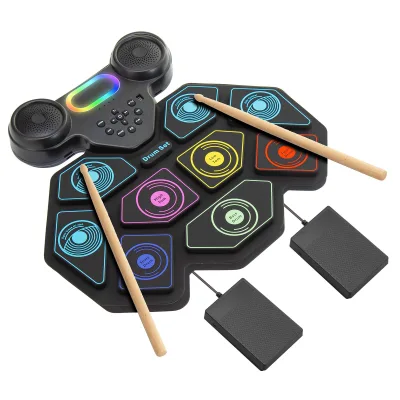
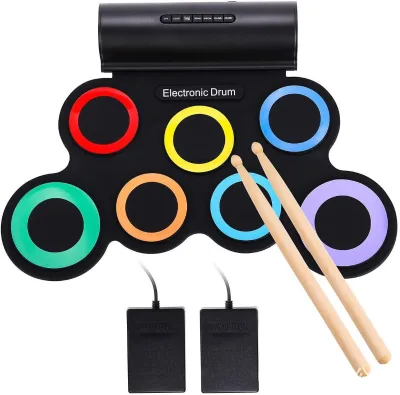
Observed listing signals indicate a strong emphasis on portability and compact design, with dimensions often cited around 74x20x47 cm or smaller variants like 60x45x19 cm. The gross weight of these units generally ranges from 5 to 6 kg, suggesting a balance between durability and ease of transport. Many listings highlight the use of ABS plastic for the chassis and harmless silicone for drumheads, materials chosen for their durability, ease of cleaning, and quiet operation. Additionally, the inclusion of accessories such as drumsticks, pedals, and power adapters is common, providing a complete out-of-the-box experience. Buyers should verify these specifications against their specific space and power requirements, as not all listed products may include every accessory or feature.
Technical Specifications to Verify
When evaluating technical specifications, the first priority is verifying the connectivity and interface capabilities of the drum pad. Key features to confirm include MIDI functionality, which allows the device to communicate with computers and mobile devices for music production, and the presence of a headphone jack for private practice. Some models also offer built-in dual speakers, which enhance the standalone usability of the unit. Buyers should also check for recording functions, which add value for users who wish to capture their practice sessions or compositions directly on the device. These technical attributes significantly impact the device’s versatility and should be matched against the intended use case, whether it is for professional performance, music therapy, or casual play.
Material composition and physical dimensions are equally critical factors in the procurement process. The drumheads are often made from harmless silicone, which provides a realistic feel and reduces noise, making them suitable for indoor use. The main body is typically constructed from ABS plastic, offering robustness and a lightweight profile. Buyers must verify the exact dimensions and weight to ensure compatibility with their intended setup, as sizes can vary significantly between models. For instance, some units are designed for single-person use with specific selling unit dimensions, while others may be part of a larger set. Additionally, the inclusion of accessories such as drumsticks, pedals, and power adapters should be confirmed to avoid unexpected additional costs.
Compliance and Safety Documentation
Compliance and safety documentation are paramount when sourcing electronic musical instruments, particularly those marketed for children or educational use. Buyers must ensure that suppliers provide relevant safety certifications, such as those for electrical safety and material toxicity, especially given the use of silicone drumheads and plastic components. While specific certification statuses may vary by supplier, it is essential to request documentation that confirms the materials are harmless and meet international safety standards. This is particularly important for products intended for young users, where the risk of ingestion or exposure to harmful substances must be minimized.
In addition to material safety, electrical compliance is a critical consideration. The power adapters and internal electronics must meet the regulatory requirements of the target market, such as CE, FCC, or RoHS standards. Buyers should verify that the supplier can provide test reports or certificates of conformity for these standards. This not only ensures legal compliance but also protects the buyer from potential liabilities associated with defective or unsafe products. Furthermore, packaging materials should be evaluated for environmental impact and safety, ensuring they meet any relevant recycling or disposal regulations in the destination country.
Cost Drivers and Commercial Terms
The cost of tabletop electric drum pads is influenced by several key drivers, including the complexity of the electronic components, the quality of materials, and the level of customization required. Units with advanced features such as MIDI connectivity, recording functions, and built-in speakers typically command higher prices due to the increased R&D and manufacturing costs. Similarly, products made from premium materials or those with intricate designs may be more expensive. Buyers should also consider the impact of customization on cost, as OEM and ODM services often involve additional setup fees and higher MOQs. Understanding these cost drivers allows buyers to make informed decisions about budget allocation and feature prioritization.
Commercial terms, including MOQs and supply ability, play a significant role in the procurement strategy. Observed MOQs can range from as low as 1 piece to 500 pieces, depending on the supplier and the level of customization. Suppliers with higher supply abilities, such as those capable of producing 5000 sets per month, may offer more competitive pricing for larger orders. Buyers should negotiate terms that align with their inventory management strategy, balancing the need for flexibility with the benefits of bulk purchasing. Additionally, payment terms, shipping methods, and warranty policies should be clearly defined to mitigate financial risks and ensure a smooth transaction process.
Supplier Qualification and Quality Control
Supplier qualification is a critical step in ensuring the reliability and consistency of tabletop electric drum pad procurement. Buyers should assess suppliers based on their production capacity, quality control processes, and track record in the industry. Suppliers located in regions known for electronics manufacturing, such as Fujian or Shandong in China, may offer advantages in terms of supply chain efficiency and expertise. However, buyers must verify the supplier’s ability to maintain consistent quality across batches, particularly for products with electronic components. Requesting samples and conducting factory audits can provide valuable insights into the supplier’s operational standards and commitment to quality.
Quality control measures should be clearly defined and enforced throughout the production process. This includes incoming material inspections, in-process quality checks, and final product testing. Buyers should specify acceptance criteria for key features such as MIDI functionality, sound quality, and durability. Additionally, packaging quality should be evaluated to ensure that products are protected during transit. Suppliers who offer comprehensive quality control documentation and are willing to accommodate third-party inspections are generally more reliable partners. Establishing a strong quality control framework helps minimize defects and ensures that the final products meet the buyer’s expectations.
Long-Term Procurement Checks
Long-term procurement success depends on establishing robust relationships with suppliers and implementing continuous improvement processes. Buyers should regularly review supplier performance metrics, such as on-time delivery rates, product defect rates, and responsiveness to issues. This data-driven approach allows buyers to identify potential problems early and take corrective actions. Additionally, maintaining open communication with suppliers fosters collaboration and innovation, enabling both parties to adapt to changing market demands and technological advancements. Regular feedback loops and joint planning sessions can strengthen the partnership and ensure mutual growth.
Furthermore, buyers should stay informed about industry trends and technological developments in the electronic drum pad market. This includes monitoring advancements in MIDI technology, sound synthesis, and material science. By staying ahead of these trends, buyers can make proactive decisions about product upgrades and diversification. Additionally, buyers should periodically reassess their supplier base to ensure they are leveraging the best available options in terms of cost, quality, and service. This ongoing evaluation helps maintain a competitive edge and ensures that the procurement strategy remains aligned with the company’s long-term goals.
FAQs
Can tabletop electric drum pads connect to computers?
Yes, many models support MIDI connectivity to computers or phones for recording and practice. This feature allows users to integrate the drum set with digital audio workstations for enhanced music therapy or performance applications.
What materials are used for the drumheads?
The drumheads are typically made from harmless silicone material for durability and safety. This construction ensures a consistent playing feel while protecting the user during professional or children's practice sessions.
Which customization options are available for buyers?
Customization is available for logos and graphic designs through methods like silk screen printing. Buyers can request OEM or ODM services to tailor the product appearance for specific branding or market requirements.
How much does a single unit weigh?
A single unit typically has a gross weight of approximately 5 to 6 kilograms depending on the specific model. This weight includes the drum set, drumsticks, pedal, and power adapter for immediate use.
What is the minimum order quantity for these drums?
The minimum order quantity can range from 1 to 500 pieces depending on the supplier and product model. Some listings specify an MOQ of 50 pieces for standard portable electronic drum sets.
Can these drums be used for religious rites?
Yes, certain ethnic drum models are designed for use in religious rites, play performance, and music therapy. These instruments cater to single-person usage and support various cultural and professional applications.
Do the drum sets include built-in speakers?
Many models come equipped with built-in dual speakers for standalone audio output. This feature allows users to play without external amplification, making them suitable for entertainment and practice environments.